
Faucet water or bottled water: which one tops the list? This question sparks debate everywhere. Fans of bottled water say it tastes better, stays safer, and is easier to grab on the go. On the other side, tap water supporters argue no one should pay for a resource that flows freely from the faucet, especially when single-use plastic bottles pile up and pollute the planet. Here’s a twist: did you know the Environmental Protection Agency tests tap water more often than bottled water companies do? Plus, tap water costs about 1 cent per gallon compared to bottled water that costs hundreds of times more. People who want to save cash and reduce trash usually lean toward tap. Those chasing convenience or certain taste might pick bottled water. Dive into these facts and see which side wins—it’s a showdown worth watching if you care about your wallet and the world.
Truth # One: Bottled is absolutely nothing greater than filteringed system tap.
While numerous will suggest that bottled water tastes much better, nationwide taste tests have shown that the average palette can not tell a difference. Possibly this is because most of it is nothing greater than filteringed system faucet.
Numerous widely known bottled water brands have confessed that their products are municipally sourced and filtered to remove chemical contaminants like chlorine. Several producers use an extensive reverse osmosis filtration process to clean community water before product packaging as well as selling it by the bottle. These systems can be installed inside the residence, however, making the exact same water easily accessible at a portion of the expense.
Truth # Two: Tap is much better for the environment.
Although plastic bottles are recyclable, much less than one-third of them are in fact reused. Most of them wind up polluting our land fills rather.
Additionally, for each container of water generated, 3 are thrown away, and also manufacturing and carrying them wastes substantial quantities of energy. Tap water leaves behind no plastic waste and is normally readily available, making it better for the setting.
Reality # Three: Bottled is much less regulated than faucet.
Tap water quality is controlled by the Environmental Protection Agency, whereas bottled water top quality is controlled by the Fda. The EPA holds tap water to much stricter criteria than those of the FDA. Find out more information about history of bottled water by clicking on the link.
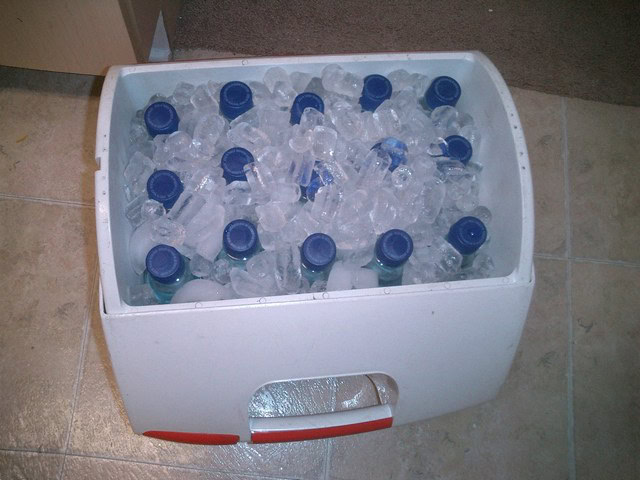
Though lots of would certainly favor that their water not be chemically treated, chlorine and various other disinfectants may be quickly removed with a water filter. Bottled water has been discovered to be infected on a number of accounts with fecal coliform germs – an impurity entirely limited by the EPA yet permitted, in some capacity, by the FDA.
Not just that, the chemicals in plastic bottles have actually been understood to leach into the water had therein, making it less safe to consume alcohol.
Fact # Four: Bottled is much more costly than tap.
Faucet water is essentially complimentary, other than the monthly water expense that customers should pay. Spending for bottled water seems ludicrous when you can filter your faucet water at a fraction of the cost.
Some brands have been recognized to cost as much as, or greater than, a gallon of fuel; and also given that single-use plastic containers are not meant for reuse, the expense accumulates quickly, especially if you’re attempting to provide tidy water to a large home.
Reality # Five: Faucet is equally as practical as bottled.
Advocates of bottled water say that it is more convenient. Nonetheless, with items like the Filtrete water terminal, lots of people are now able to bottle their water in your home as well as shop the refillable bottles in the refrigerator.
Some cities have actually currently prohibited or are checking into banning using plastic containers completely, as well as replacing them with filteringed system faucet water terminals. Rather than buying bottled water, consumers can take a multiple-use stainless steel canteen as well as re-fill it on the move, making tap water equally as convenient as bottled.